

 (831) 480-0381

 (831) 480-0381
Moving later in life is a different kind of move. It is rarely just about boxes and a moving truck. It is about closing one chapter of life and opening another, often after decades in the same home, and it comes with decisions that younger movers do not usually have to make. What do you keep? What do you pass down? What actually fits in a smaller space? For many older adults and their families, the Monterey Peninsula has become the answer to the question of where that next chapter should begin, and a thoughtful, well-planned move can make all the difference in how that transition feels.
Why So Many Retirees Choose the Monterey Peninsula?
The pull toward this stretch of California’s Central Coast is not hard to understand. The climate is mild year round, without the extreme heat or cold that makes daily life harder as people age. The pace is slower than in a big city, but the area is far from isolated, with quality healthcare, walkable downtowns, and a strong sense of community woven through towns like Pacific Grove, Carmel, and Monterey itself.
Pacific Grove in particular has built a reputation as a welcoming spot for retirees. It offers a range of senior living options, from independent living communities to smaller single-level homes within walking distance of the coastline, and its quiet, tree-lined streets appeal to people looking to simplify their surroundings without giving up access to good food, nature, and neighbors who know their names. Whether the plan is a senior living community, a smaller condo, or a home closer to family already in the area, the region offers more flexibility than people often expect.
The Emotional Side of Downsizing
Before the logistics of a move even begin, there is usually an emotional process that needs its own time and patience. A home lived in for twenty, thirty, or even fifty years accumulates more than furniture. It holds photographs, letters, gifts from people who are no longer here, and objects that carry meaning far beyond their size or value. Rushing this part of the process tends to backfire, either through decision fatigue or regret over items let go of too quickly.
It helps to give the process room to breathe. Start weeks or months ahead of the actual move date, not days. Revisit rooms more than once, since perspective often shifts the second or third time through a closet or garage. And involve family where it makes sense, both because extra hands make the physical work lighter and because adult children or grandchildren may want specific items that would otherwise be donated or sold.
A Practical Framework for Sorting Belongings
Most people find it easier to downsize when they sort items into clear categories rather than trying to decide the fate of everything at once.
Keep and bring. These are the items that matter most or that will genuinely be used in the new home. A smaller space usually means being selective here, focusing on what serves daily life and what carries real sentimental weight.
- Pass down now: Rather than storing heirlooms indefinitely, many families choose to give meaningful pieces to children or grandchildren at the time of the move, while the story behind each item can still be shared directly.
- Donate or give away: Furniture, clothing, and household goods in good condition can go to local charities, senior centers, or community organizations, many of which will arrange pickup for larger items.
- Sell: For furniture or collectibles with real value, an estate sale, consignment shop, or online marketplace can turn downsizing into a bit of extra moving budget.
- Let go: Some things have simply reached the end of their useful life, and recognizing that is part of the process too.
Choosing the Right Home and Neighborhood
Once the sorting begins, the question of where to land becomes more concrete. Some people are moving into a dedicated senior living community with built-in support and social opportunities. Others are downsizing into a smaller single-family home or condo while still maintaining full independence. Both paths are common on the Peninsula, and the right choice usually comes down to a few practical questions.
How close is healthcare? Community Hospital of the Monterey Peninsula and a range of specialists serve the area, and proximity matters more with each passing year. How walkable is the neighborhood, and how far is it from family? Is the home single-level, or does it involve stairs that may become harder to manage over time? These questions matter more than square footage alone, and they are worth working through before committing to a specific address.
Why the Moving Process Itself Needs Special Care?
A senior move is not just a smaller version of a typical move. It often involves more fragile or sentimental items per box, a tighter physical capacity for lifting and carrying, and a timeline that needs to account for medical appointments, family schedules, or the sale of a longtime home. This is where working with a moving company that specifically understands senior relocations makes a real difference.
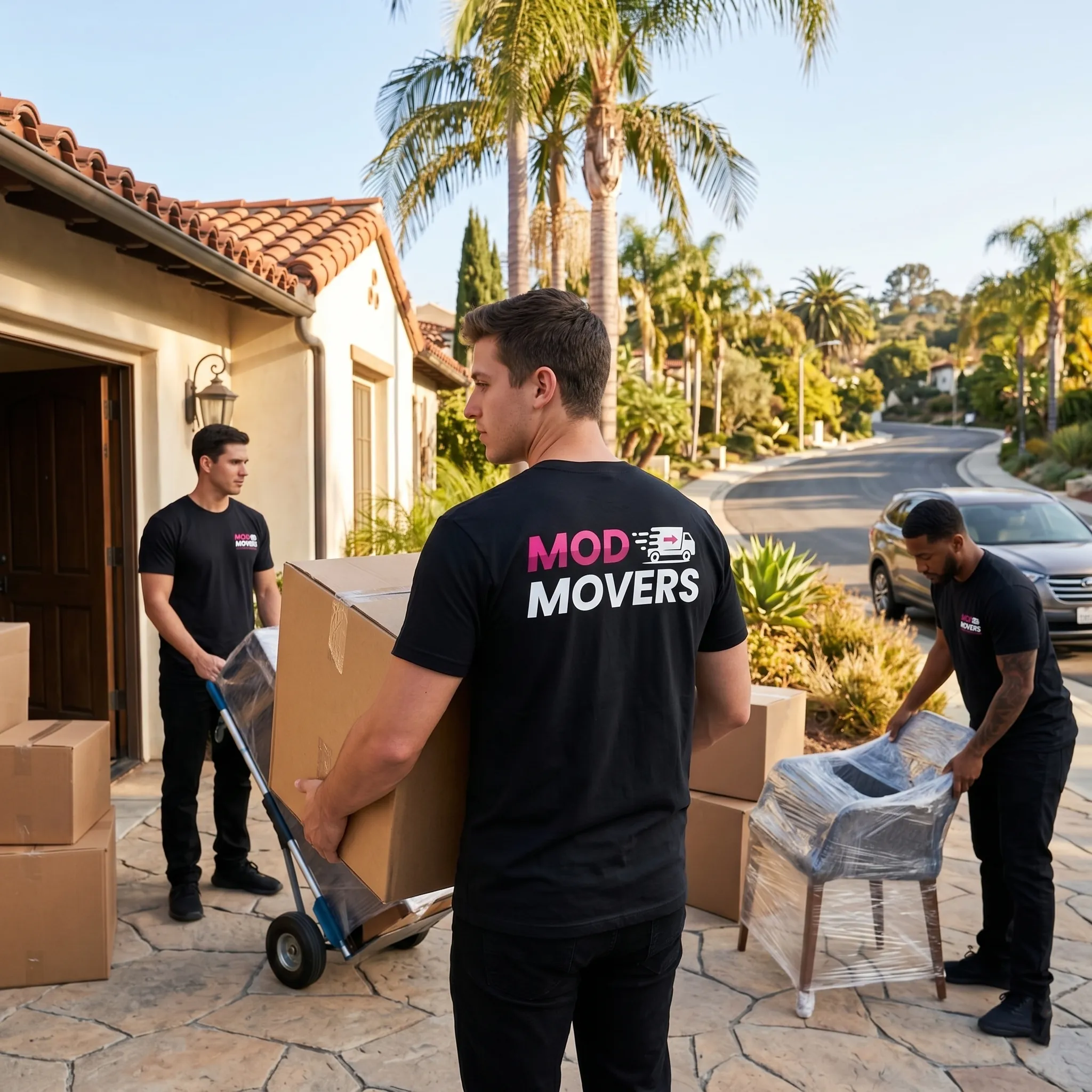
At Mod Movers, our senior relocation specialists are trained to move at a pace that respects both the physical and emotional realities of this kind of transition. That means careful handling of furniture with real history, patience with a process that may take longer than a typical move, and clear communication with both the person moving and the family members helping to coordinate it.
Packing is often the part of a senior move that benefits most from professional help. Decades of belongings, particularly fragile items like china, glassware, or framed photographs, need careful packing for decades of keepsakes rather than a rushed job the week of the move. Having a team handle this part frees up energy for the harder emotional decisions and the logistics of the move itself.
For families relocating to the Monterey area specifically, it also helps to work with the moving team already familiar with the Monterey Peninsula, since local knowledge of narrow streets, building access, and community layouts can prevent avoidable delays on moving day.
Building a Realistic Timeline
A senior move generally goes more smoothly with a longer runway than other moves. As a general guide, sorting and decision-making should start at least two to three months out, with donation pickups and family handoffs scheduled in the weeks that follow. Packing typically works best when spread over several sessions rather than done all at once, especially for anyone managing this process without a lot of extra help at home. The final one to two weeks should be reserved for confirming moving day logistics, transferring medical records and prescriptions to new providers if needed, and updating mailing addresses.
It also helps to think through the day of the move itself in advance. Where will the person moving be while the truck is loaded? Is there a family member or friend who can be present for support? Will meals, medications, and any mobility aids be easily accessible throughout the day rather than packed away in a box at the bottom of the truck?
Weighing the Bigger Picture Before You Commit
Beyond the logistics, it is worth stepping back and thinking honestly about whether coastal retirement living fits the lifestyle someone actually wants day to day, not just the one they picture on a good weather day. Our post on weighing the tradeoffs of coastal retirement living walks through the realistic upsides and downsides of the area, from fog patterns to cost of living, and can be a useful gut check before finalizing any move.
Common Questions About Senior Moves
How far in advance should planning start?
Most families find that two to three months gives enough breathing room to sort belongings, arrange donation pickups, and coordinate with family without feeling rushed. For moves involving the sale of a longtime home, adding an extra month or two to the front end of the timeline is rarely wasted.
What if the person moving isn’t ready to let go of certain items?
This is one of the most common sticking points, and pushing too hard usually backfires. It often helps to set those items aside in a separate “decide later” box rather than forcing a decision on the spot, and to revisit the question after the bulk of the move is settled and emotions have had time to ease.
Should family be involved in the physical move, or is it better to hire it out?
Both, usually. Family involvement matters most in the sorting and decision-making stages, where personal history and context are needed. The physical labor of packing and moving heavy furniture is often better handled by a professional crew, both for safety reasons and so family members can focus on being present with the person moving rather than hauling boxes.
How do medical needs factor into the timeline?
If the move involves transferring care to new doctors, it’s worth requesting medical records transfer at least a few weeks ahead of the move date, and confirming that any regular prescriptions can be filled at a pharmacy near the new home before moving day.
Talking Through the Move as a Family
For adult children helping a parent or older relative through this process, it helps to approach the conversation as a series of smaller decisions rather than one big life change to settle all at once. Questions like where furniture will go in the new space, which photos matter most, or what the first week in the new home should look like are often easier starting points than the bigger emotional question of leaving a longtime home behind.
It also helps to give the person moving real decision-making authority throughout the process, even when family members are doing most of the physical work. A downsizing move that feels like it’s happening to someone, rather than with them, tends to be harder on everyone involved, while one built around their input and pace tends to go more smoothly and end with far less regret.
A Move Handled With the Right Kind of Care
Downsizing and relocating later in life asks a lot of everyone involved, but it does not have to be overwhelming. With enough lead time, a clear plan for sorting belongings, and a moving team that understands the pace and care this kind of transition deserves, a move to the Monterey Peninsula can feel less like an ending and more like a genuinely good next chapter.
If you or a family member are planning a senior move to the Monterey area, reach out for a no-pressure moving consultation and we can walk through what the process would look like for your specific situation.